India on Thursday strongly condemned the attack on an Indian-flagged cargo vessel off the coast of Oman, calling the incident “unacceptable” as concerns deepen over the safety of commercial shipping routes in West Asia.
The sharp response from the Ministry of External Affairs (MEA) comes at a time when tensions across the Gulf region continue to escalate following the ongoing confrontation involving Iran, Israel and the United States. The latest maritime incident has once again raised fears over the vulnerability of civilian vessels operating near key international trade routes.
Advertisement
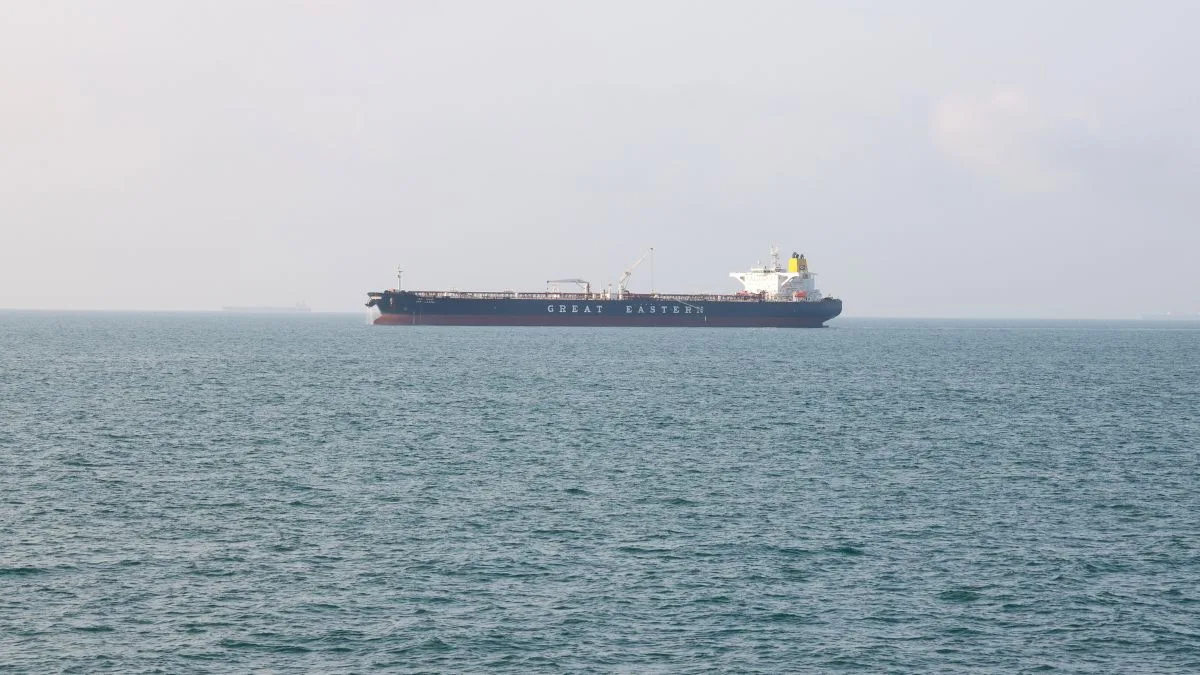
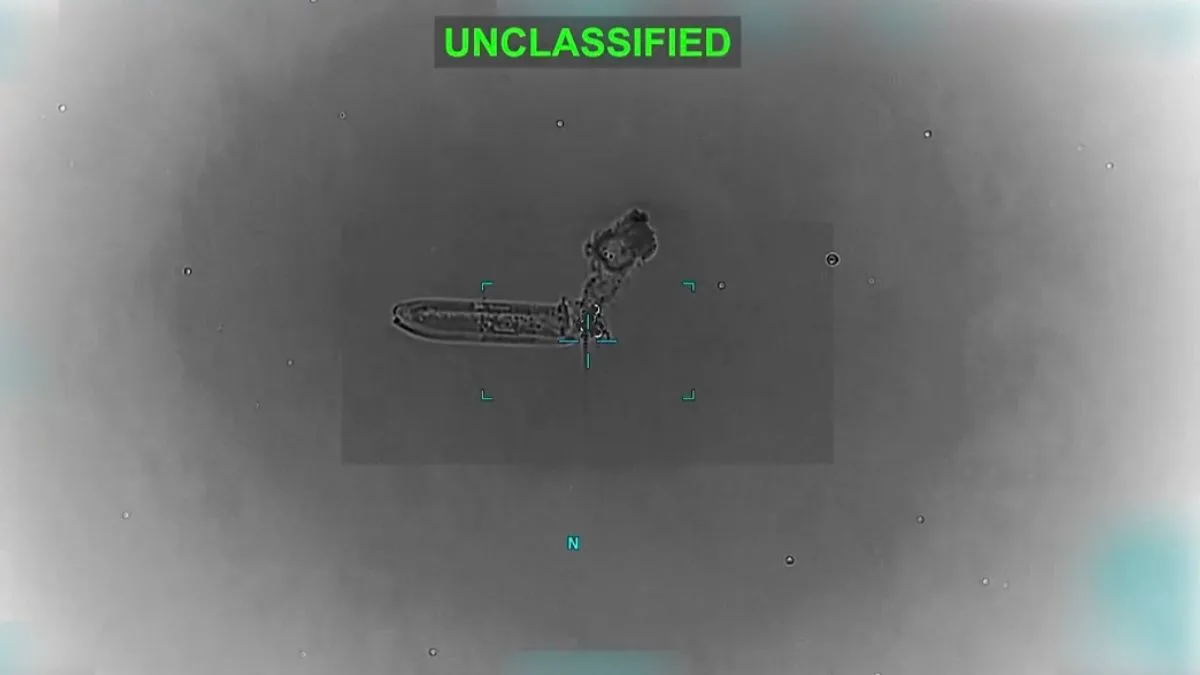
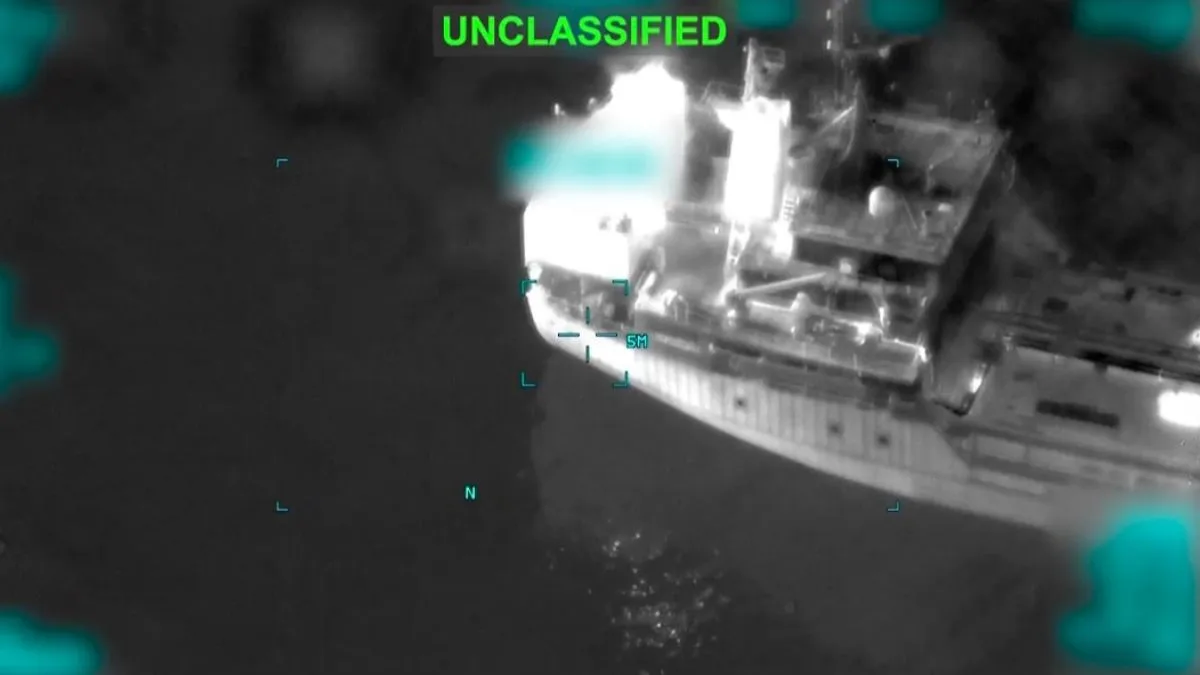
According to preliminary reports, the Gujarat-owned cargo vessel MSV Haji Ali sank after it was hit by what was described as a drone or missile-like projectile on May 13 while passing through Omani waters. The ship was travelling from Berbera Port in Somalia to Sharjah at the time of the attack.
In an official statement, the MEA said, “The attack on an Indian-flagged ship off the coast of Oman yesterday is unacceptable, and we deplore the fact that commercial shipping and civilian mariners continue to be targeted.”
The ministry confirmed that all Indian crew members onboard were safe and thanked the Omani authorities for their prompt rescue efforts.
“India reiterates that targeting commercial shipping and endangering innocent civilian crew members, or otherwise impeding freedom of navigation and commerce, should be avoided,” the statement added.
All 14 crew members rescued after vessel catches fire
Local media reports said the vessel caught fire after the strike, prompting an emergency response from the Oman Coast Guard. Rescue teams managed to safely evacuate all 14 crew members from the ship.
The cargo vessel reportedly became stranded near the Omani coast around 3:30 am local time. The ship is owned by Gujarat resident Sultan Ahmed Ansar from Dwarka.
Rising Gulf tensions trigger fresh shipping concerns
The incident comes amid growing instability in West Asia after the US and Israel carried out joint strikes against Iran on February 28. Iran’s former Supreme Leader Ayatollah Khamenei was killed during the strikes, triggering a sharp escalation in the region.
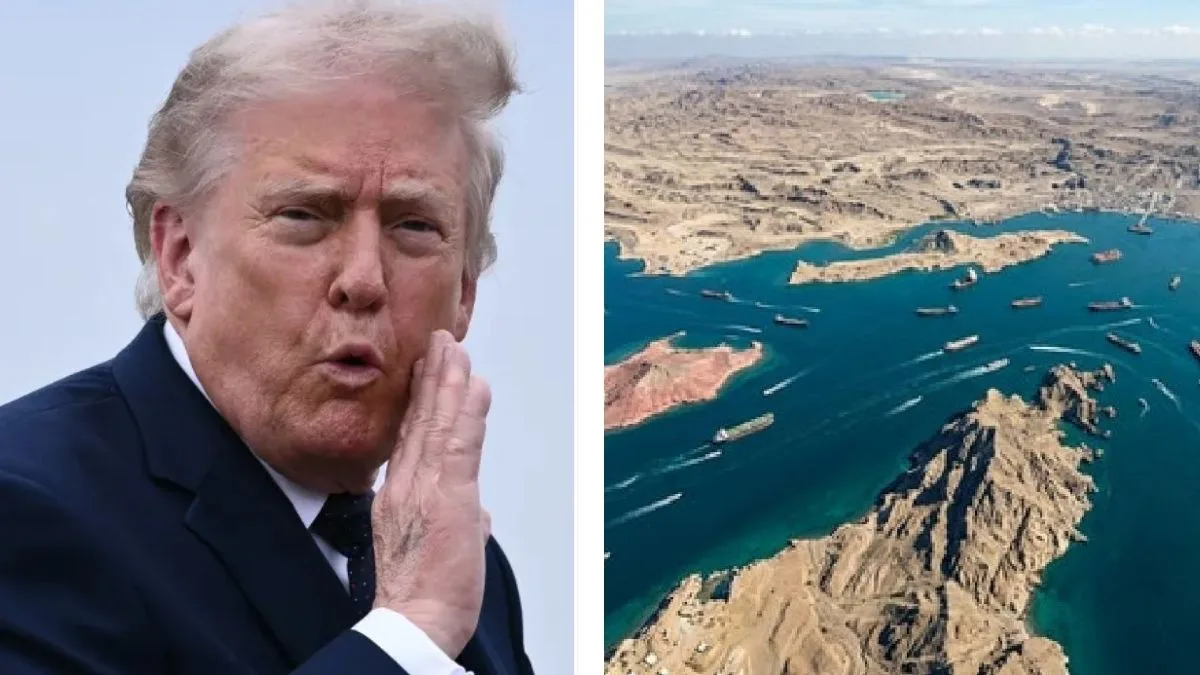
Iran later launched retaliatory attacks targeting Israel and US military bases in Gulf countries. The situation worsened further after Tehran announced the blocking of the Strait of Hormuz, one of the world’s most critical maritime trade corridors.
The latest attack is likely to intensify concerns over the security of commercial vessels and international shipping lanes operating in the Gulf region.